Thai Basil Seeds
Thai Basil – A Unique Herb with Deep Roots in Thai Cuisine
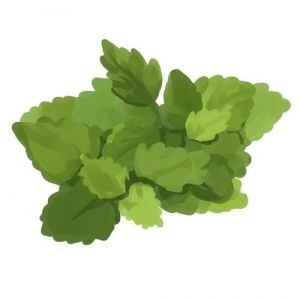
Thai basil is a unique variety of basil with a strong flavor profile and aroma that distinguishes it from sweet basil. Known for its spicy, peppery taste with slight anise notes, it is an essential ingredient in Thai dishes and other Southeast Asian cuisines. This variety is primarily recognized by its purple stems and dark green leaves, which add vibrant color to any dish.
Origin and Cultural Significance
Originating from Southeast Asia, particularly Thailand, Thai basil has been cultivated and used for centuries. It is a vital component in traditional Thai cuisine, with deep cultural and medicinal roots in Thai and other Southeast Asian cultures. Beyond its culinary uses, this basil has also been utilized in traditional medicine, where it is believed to aid in digestion and strengthen the immune system.
Culinary Characteristics and Uses
Some of the most popular culinary uses of Thai basil include Curries, Stir-fries, Soups and stews, such as Tom Yum, Salads, Beverages. Its robust flavor profile makes it a perfect complement to many savory dishes.

Thai basil reminiscent the flavors of anise, but more subtle, a tremendous contribution for the taste of the dishes.
| Species | Culinary Herbs |
|---|---|
| Scientific Name | Ocimum basilicum |
| Germination Period | 5-10 days |
| Days till maturity | 30-45 |
| Sowing Depth | 2 mm |
| Sowing Intervals | 20-40 cm |
| Sowing Months | March, April, May, June, July, August, September |
| Sowing Instructions |
Growing Thai BasilThai basil is relatively easy to grow, especially in warm climates where it thrives. Here’s how you can grow it: Climate and SoilIt grows well in well-drained soil and a sunny location. Thai basil thrives in tropical and subtropical climates, but it can also be grown in pots under direct sunlight in cooler environments. PlantingYou can start growing Thai basil from seeds or small seedlings. Plant the seeds directly in the soil or in pots when the temperatures warm up, and space them about 30–45 cm apart. Watering and CareKeep the soil moist but not waterlogged. The plant requires full sunlight, at least 6 hours of direct daylight each day, to thrive. Pruning and HarvestingRegular pruning is essential to prevent early flowering. Harvesting is done by cutting and splitting the leaves to encourage new growth. |