Libi Melon Art Seeds
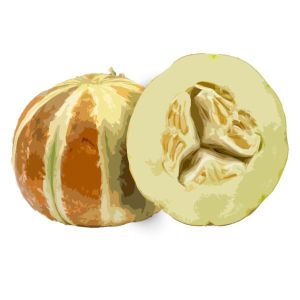
A beautiful golden melon with a silver stripe, featuring a rich, sweet flavor, thick flesh, and a firm, crisp texture.
Melon-Art, a breeding program for unique and boutique melons!
Prof. Rafi Perl-Treves, a geneticist from Bar-Ilan University, let his imagination run free. After careful research and patient breeding work (using traditional breeding methods based on cross-pollination), the Melon-Art project is now being introduced to the market. This year, we at Heritage Seeds will offer four of these intriguing varieties.
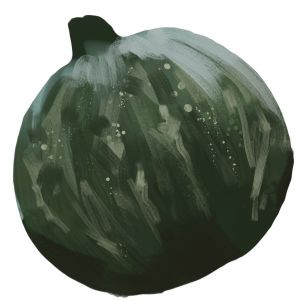
These are small, beautiful, juicy, and fragrant melons that delight both the eye and the palate—melons unlike any you’ve known before. Their delicate rind is golden, smooth or speckled (depending on the variety), and their flavors are subtle and distinctive. These are personal-sized melons you can finish in one sitting—and immediately ask for another.

| Seeds in Garden Package | 15 |
|---|---|
| Species | Melon |
| Scientific Name | Cucumis melo |
| Germination Period | 4-10 days |
| Days till maturity | 80-90 |
| Sowing Depth | 1 cm |
| Sowing Intervals | 80-90 cm |
| Sowing Months | March, April, May, June, July, August, September |
| Sowing Instructions | Melon-Art varieties grow under the same conditions suitable for cultivating regular melon varieties. If you know how to grow other melons, you will know how to grow these as well. SeasonSeeds can be sown directly in open fields starting from late March. Sowings or plantings after May extend the growing period into late summer and are more challenging. The best season is early spring, when there are far fewer diseases and pests. Seeds can also be started in a protected nursery or under plastic cover in early March, and the seedlings can be transplanted outdoors in early April. It is recommended to make three sowings at three-week intervals starting in early April, to ensure a continuous harvest and to help customers become familiar with the new product. Trellised or Ground-GrowingPlants can be grown sprawling on the ground or trained on strings or netting. Trellising allows closer planting and results in more attractive fruits (without the pale spot where the fruit rests on the soil), and also helps reduce fruit missed during harvest. However, ground-growing works perfectly well too. Spacing: 1–2 meters between rows, and about 50 cm between plants in the row when trellised; slightly more spacing for ground-growing. Growing Under NettingGrowing under insect netting can prevent many pests, but it is essential to open the net at the beginning of female flowering to allow bees to enter and pollinate the plants. Growing without netting allows free access for bees in the environment and ensures adequate pollination. HarvestMelon-Art varieties are climacteric, meaning they ripen rapidly: the fruit changes color, releases a pleasant aroma, and detaches naturally from the plant. A ripe fruit will separate easily from the stem. Do not harvest fruit that remains firmly attached, as it will not continue ripening properly. Hybrid VarietiesLike most modern vegetable varieties, the seeds you purchased are first-generation hybrids (F1) produced from a cross between two parent lines we developed. Therefore, saving seeds from the fruit is not recommended, as the resulting plants will produce non-uniform offspring that may differ significantly from the plants you grew. This is not genetic engineering, but rather the natural genetics of plants, using traditional breeding methods common in agriculture. |